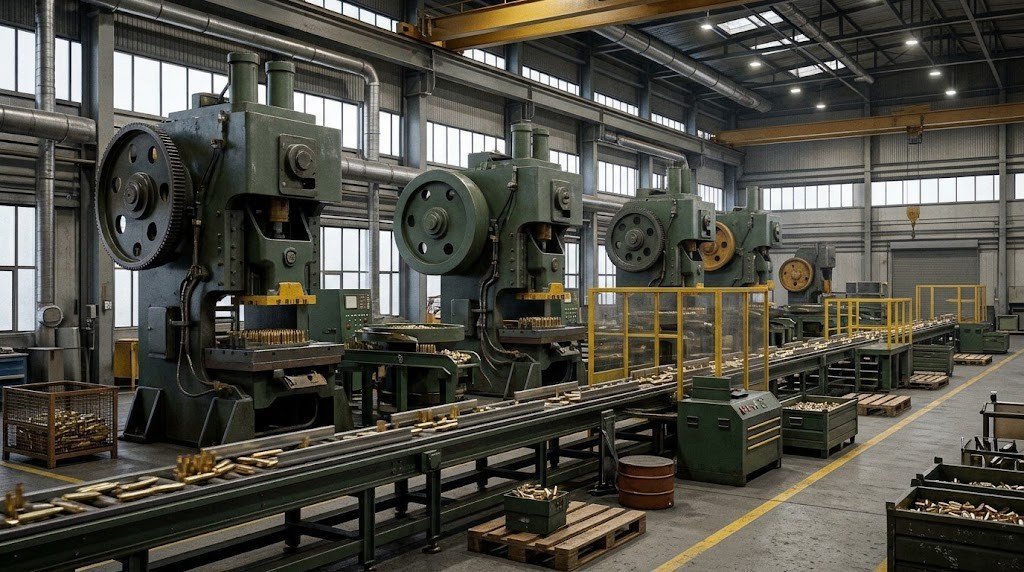
Selecting heavy-duty ammunition production machines involves reviewing the complete equipment offer, from the documented supply scope to installation responsibilities and ongoing service arrangements. Buyers need clear information that supports purchasing decisions and establishes realistic expectations throughout equipment ownership.
For an enquiry with Yeter Ammunitions, the commercial assessment should address five priorities:
A structured proposal allows purchasing, facilities, and management teams to evaluate the same information. It also provides a reliable reference when discussing changes or requesting clarification. Whether your organisation is reviewing an individual machine or a broader equipment package, the agreement should make every included deliverable easy to identify.
A machinery proposal should explain precisely what your organisation is purchasing. The equipment description needs to distinguish the main supply from accessories, additional services, and items assigned to the buyer.
A clearly defined supply scope gives purchasing teams a consistent basis for comparing proposals and reviewing the complete contractual commitment.
When contacting Yeter Ammunitions, describe the equipment category you are considering and the boundaries of your intended purchase. Include your documentation expectations, preferred delivery schedule, and the departments participating in the review.
Request separate descriptions for optional items. This helps internal stakeholders understand which elements form part of the initial offer and which require further approval. Written exclusions are equally valuable because they identify responsibilities that might otherwise remain unclear.
The term “heavy-duty” should be evaluated through the documentation accompanying a specific proposal. Buyers should request evidence supporting equipment descriptions rather than relying solely on broad promotional language.
Equipment records, warranty conditions, maintenance documentation, and service terms provide useful reference points for commercial review. Each should relate to the machinery actually offered.
The following table outlines a purchasing framework.
|
Review Area |
Information to Request |
Purchasing Purpose |
|
Equipment description |
Defined scope and supporting documents |
Understand the proposed supply |
|
Accessories |
Included and optional items |
Identify purchasing boundaries |
|
Delivery |
Transport and receipt responsibilities |
Coordinate the delivery agreement |
|
Documentation |
Manuals, records, and available languages |
Establish handover expectations |
|
Training |
Coverage, participants, and scheduling |
Confirm included services |
|
Service arrangements |
Contact channels and applicable terms |
Clarify ongoing assistance |
Share your requirements with Yeter Ammunitions and request an itemised proposal for the equipment category under consideration.
Delivery planning requires clear communication between the supplier and the buyer’s designated team. Access arrangements, unloading responsibilities, site attendance, and equipment receipt should be discussed before the schedule is finalised.
A written responsibility schedule helps both parties understand their obligations and prepare for the activities included in the commercial agreement.
Ask which installation services accompany the proposed equipment and which site preparations remain your organisation’s responsibility. Keep these items visible within the proposal rather than relying on informal discussions.
Project milestones should identify the information needed before each agreed activity. Where dates remain provisional, the relevant conditions should be recorded. This gives internal teams a clearer basis for coordinating their involvement and reviewing subsequent schedule changes.
Documentation should form a defined part of the machinery package. Confirm which manuals, equipment records, maintenance documents, and training materials will be supplied, together with their format and language.
An organised handover record allows buyers to confirm that the agreed equipment information and associated services have been received.
Training arrangements should identify the intended participants, the agreed coverage, and the delivery schedule. Clarify whether additional sessions or later attendance require a separate agreement.
For enquiries involving Yeter Ammunitions, communicate these requirements during proposal preparation. Early agreement makes it easier to assess the service package and ensures that internal reviewers understand what the proposed handover includes.
Service arrangements deserve attention before an order is placed. Purchasing teams should understand where to direct enquiries and what conditions apply to assistance after delivery.
Clearly stated service terms provide a practical reference for future communication and help align expectations between the buyer and equipment provider.
Request details about support channels, equipment identification records, replacement documentation, and spare part enquiries. Availability and attendance arrangements should be confirmed for the particular equipment proposal.
Warranty coverage should also be reviewed as a written contractual item. Ask for its scope, exclusions, and enquiry procedures so your organisation can assess the ownership arrangements alongside the original supply.
Prepare a focused brief covering your requested equipment scope, documentation needs, delivery preferences, and internal purchasing contacts. A clear enquiry creates a stronger foundation for proposal review and commercial discussion.
Contact Yeter Ammunitions to discuss heavy-duty ammunition production machines and request a documented equipment offer. Review the included machinery, associated services, handover deliverables, and support terms together to establish a clear basis for your purchasing decision.
